Emergency Braking Skills

Santosh Jha
12-03-2026
 · Auto Team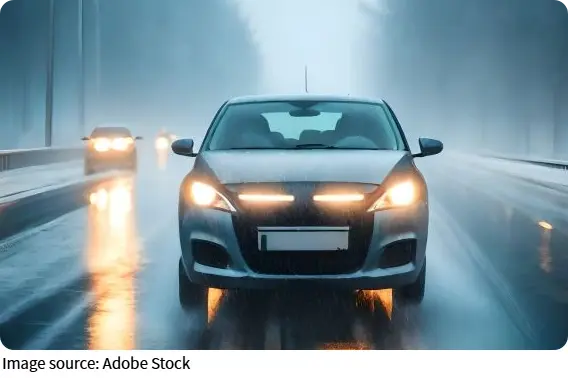
You're driving along a busy road, when suddenly, a car in front of you slams on its brakes, or an obstacle appears out of nowhere.
In these moments, there's no time to think about what to do—every decision must be immediate. This is where emergency braking comes into play.
Knowing how to brake effectively in an emergency could be the difference between a close call and an accident.
But what's the best way to execute this critical skill? Let's break it down and explore how you can handle these high-stress situations while keeping your car and yourself as safe as possible.
1. Stay Calm and React Quickly
The first and most important step in any emergency braking situation is staying calm. Panic can cause you to overreact or underreact, making things worse. It's natural to feel a rush of adrenaline, but being calm helps you think clearly and respond effectively.
If you're driving in city traffic, where sudden stops are common, it's important to stay alert and anticipate the actions of others. For instance, if you notice a car ahead of you slowing down rapidly, you'll need to act fast.
Tip: Try to breathe deeply and focus on the task ahead. If you stay calm, your chances of reacting correctly go up.
2. Brake Hard, But Don't Pump the Brakes
When you need to stop quickly, you must brake hard—but not by pumping the brakes. Modern cars are equipped with anti-lock braking systems (ABS), which are designed to prevent the wheels from locking up during emergency braking.
To activate ABS, press the brake pedal firmly and hold it down. The ABS will automatically pulse the brakes to maintain control and prevent skidding. In a car with ABS, pumping the brakes can reduce your ability to stop quickly and safely.
For example, in a rainstorm, you might need to stop suddenly. If you have ABS, all you need to do is press hard on the brake, and the system will help you maintain steering control while braking. Do not assume ABS will always let you stop faster.
Tip: Press the brake firmly, not gently, and allow ABS to work its magic. Never pump the brakes—it's counterproductive when ABS is active.
3. Use Engine Braking if Possible
In an emergency situation, if you can anticipate needing to slow down (like approaching a red light or a sudden traffic jam), using engine braking can help. By simply releasing the accelerator, the engine's resistance can help slow the car down, giving you more time to react and preventing excessive strain on the brake system.
For instance, if you're driving down a hill and notice an obstruction ahead, engine braking can help you reduce speed before you apply the brakes fully. This can help prevent overheating or damage to your brakes from excessive use.
Tip: Engine braking works best when you're already at a higher speed or driving downhill. It's a great tool to use alongside traditional braking techniques for smoother stops. However, in a true emergency stop, your main action should be firm braking with the footbrake.
4. Keep Your Eyes on the Road
In an emergency situation, one of the most important things you can do is maintain focus. It's easy to get distracted by panic or the urge to look at what's happening around you, but keeping your eyes fixed on the road and the area ahead is crucial. This allows you to make necessary adjustments, such as steering or adjusting your speed, while ensuring you're ready for whatever comes next.
If you're driving on a winding road, for example, and a vehicle ahead stops suddenly, you'll need to quickly evaluate the situation. Focusing on the road ensures that you don't miss any potential hazards or escape routes, like a shoulder to steer into.
Tip: Don't look away from the road during an emergency. Your eyes should remain focused on the situation so that your hands and feet can respond instinctively.
5. Use the Correct Stance for the Pedals
While it's tempting to think you should “slam” on the brakes in an emergency, the truth is that maintaining the right foot placement can help you react faster and more effectively. When preparing for emergency braking, make sure your right foot is positioned to immediately go from the accelerator to the brake pedal.
In case of sudden stops, don't try to hover your foot over the brake—have it ready to press down as soon as needed.
Tip: Be ready to move your foot quickly from the accelerator to the brake. Do not keep your foot hovering over the brake pedal during normal driving.
6. Don't Forget About Steering
In some situations, emergency braking combined with swerving to avoid an obstacle might be necessary. For instance, if a pedestrian darts out in front of you, you might need to brake and steer to the side to avoid hitting them. ABS can help you maintain steering control during hard braking.
Tip: Steer smoothly and firmly while maintaining brake pressure when necessary.
7. Practice Emergency Braking
Like any skill, emergency braking requires practice. The more you practice, the more automatic it will become in real-world situations. You can practice emergency braking in a controlled environment, like an empty parking lot or a closed course, where you can push your car to its limits without endangering others.
This will help you get a feel for how your car responds under hard braking and give you more confidence when faced with a real emergency.
Tip: Set aside time to practice emergency braking in safe conditions. This way, when you face a real emergency, your reflexes will be sharp and your response quick.
Final Thoughts
Emergency braking isn't just about pressing the brake pedal as hard as you can. It's a skill that involves staying calm, reacting quickly, and using your car's systems to their fullest potential. With practice, you can ensure that in those high-pressure moments, you'll be able to stop in time and avoid accidents. The best part? It's a skill that will make you a safer, more confident driver on every road you travel.